
Why Furnaces Fail During Colorado Springs Cold Snaps (And What to Do Before It Happens)
Colorado Springs cold snaps put extreme stress on home heating systems, often causing furnaces to fail when they’re needed most. Sudden temperature drops force furnaces to run longer and harder, exposing issues like restricted airflow, ignition problems, and blocked venting. Understanding why furnaces fail during Colorado Springs winters can help homeowners avoid emergency repairs and unexpected loss of heat.
Why Colorado Springs Cold Snaps Are So Hard on Furnaces
Unlike areas with steady winter temperatures, Colorado Springs experiences sharp temperature swings. Furnaces may sit idle during warmer stretches, then run nearly nonstop once a cold snap arrives. That sudden demand puts stress on components that haven’t been operating consistently.
At the same time, system demand spikes citywide. When thousands of furnaces are running at once, units with airflow restrictions, worn parts, or improper setup are far more likely to shut down or fail.
The Most Common Furnace Failures We See During Extreme Cold
During cold snaps, these issues show up most often in Colorado Springs homes:
- Dirty or restricted air filters that cause overheating
- Ignition or flame sensor issues, especially during cold starts
- Blocked or frozen intake and exhaust pipes from snow or ice
- Two-stage furnaces stuck in low stage, unable to meet demand
Many of these problems develop slowly, but extreme cold is what finally brings them to light.
Why Furnace Breakdowns Often Happen at Night or During Storms
Furnace failures tend to happen overnight because that’s when temperatures drop the lowest and systems run continuously for hours. If a safety switch trips or airflow becomes restricted, the furnace will shut down to prevent damage or unsafe operation.
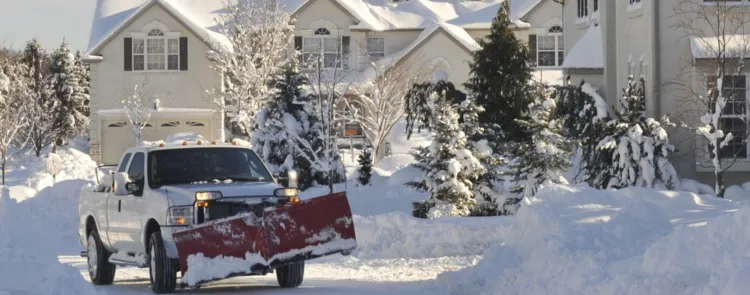
Snowstorms can make this worse by blocking exterior venting, which starves the system of proper airflow. In many cases, the furnace is doing exactly what it’s designed to do, protecting your home.
What You Can Do Before the Next Cold Snap
A few preventative steps can significantly reduce the risk of winter furnace failure. Replacing air filters regularly, keeping exterior vents clear, and paying attention to changes in performance can help catch problems early.
Scheduling preventative furnace maintenance in Colorado Springs before or during heating season allows a technician to identify issues before they turn into no-heat emergencies.
When to Call a Professional
If your furnace is running constantly, short cycling, blowing cool air, or struggling to maintain temperature, those are signs it’s under stress. Waiting through a cold snap can lead to larger repairs—or complete system failure.
Calling early for professional furnace repair in Colorado Springs can help prevent additional wear and restore reliable heat before conditions worsen.
How to Avoid Emergency Furnace Repairs This Winter
Older furnaces—especially those over 12–15 years old—are more likely to struggle during extreme cold, particularly if they haven’t been maintained regularly. Planning ahead is often the difference between a minor repair and a full system replacement.
For homeowners with aging systems, exploring furnace replacement options in Colorado Springs before winter emergencies arise can provide peace of mind and more control over timing and cost.